Begin the day with breakfast and check-in while reconnecting with colleagues you met on Day 1 and continuing conversations sparked during yesterday’s sessions. This morning’s networking period provides a relaxed opportunity to build on new relationships, visit exhibitor booths, and get ready for another full day of programming.
We recommend you arrive as early as possible during this time period to ensure you are able to check in, get breakfast, find a seat for the day, and have time to meet fellow attendees.
0800 – 1000: The Fragility of the Marine Transportation System
This session will highlight local initiatives implemented to improve the resilience of the Marine Transportation System. A short briefing will identify known single points of failure and infrastructure challenges which, if disrupted, would cause significant issues for local communities and impact the U.S. global supply chain. This briefing will set the stage for a panel discussion, which will focus on ideas and solutions in place or being evaluated to begin to address these known challenges. This session will demonstrate how communities can build resilience by acknowledging existing risks and planning for worst-case scenarios.
Panel Moderator: SCOTT BROTEMARKLE Marine Board Program Director and Senior Program Officer, Marine Transportation and Intermodal Freight, Transportation Research Board, National Academies of Science, Engineering and Medicine
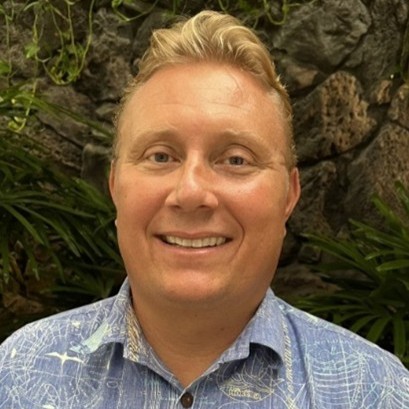
CAPT PAUL DITTMAN President, Gulf Intracoastal Canal Association; Member, Greater New Orleans Port Safety Council & Lone Star Harbor Safety Committee, Southeast Texas Waterways Advisory Council
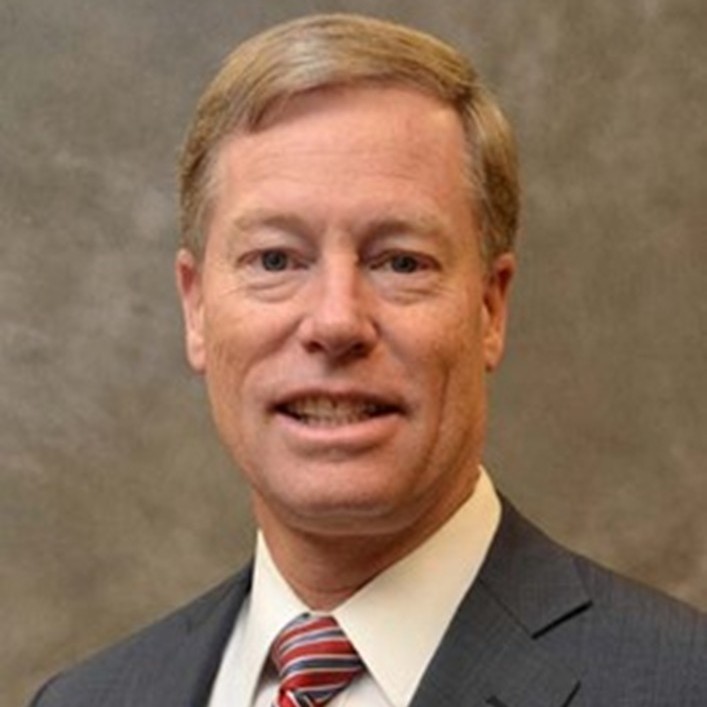
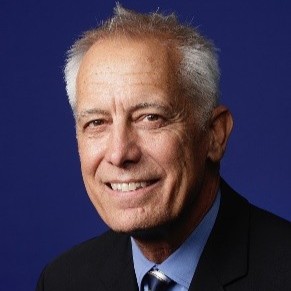
W. VERN GWIN Chief of the Operations Division, Mobile District, U.S. Army Corps of Engineers
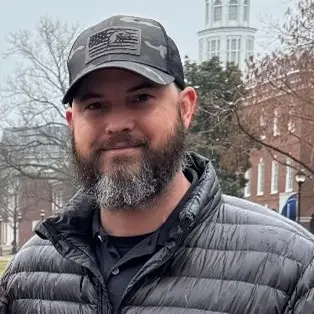
WILLIAM “BILLY” HOFFMAN Safety Manager, Sause Bros
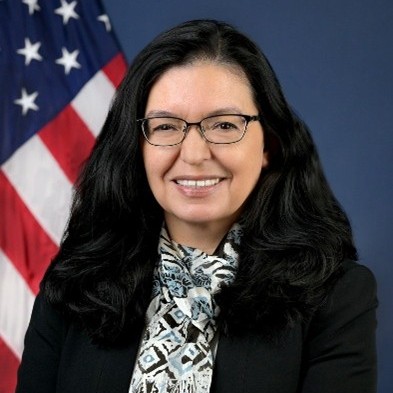
XOCHITL CASTANEDA Director, Pacific Northwest & Alaska Gateway Office, Office of Maritime & Intermodal Outreach, U.S. Maritime Administration
1000 – 1030: Break
1030 – 1040: Coordinating Live Exercises
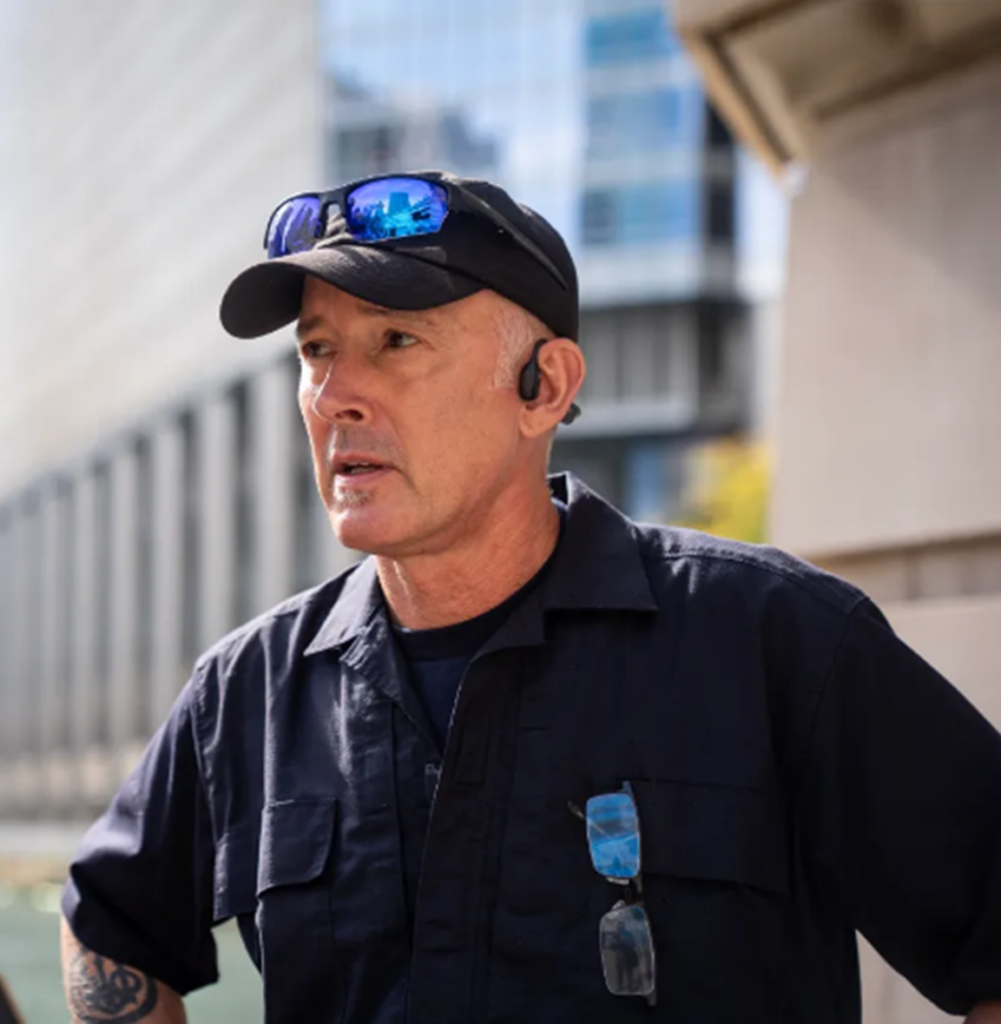
Speaker: CAPT. MIKE MCELROY, Director of Marine Operations and Regulatory Affairs, Wendella Boats; President, Chicago Harbor Safety Committee; Co-Chair, Area Maritime Security Committee; Vice Chair, Harbor Safety Committee National Steering Team
This session will impart the experience of the Chicago Harbor Safety Committee in leveraging local partners, to include members of the Area Maritime Security Committee, to run live exercises to prepare for potential emergencies (e.g., active shooter, shipboard firefighting). Many agencies and organizations have a dedicated budget for training and some even have a mandate to engage in live exercises to maximize their real-world learning opportunities. What if these entities came together to develop a live exercise, pooling their resources and tackling an issue of collective interest? Learn about successful exercises executed in Chicago to improve marine safety through preparedness.
Speaker: REAR ADMIRAL JIM WATSON (USCG, ret.), Co-author, ZERO POINT FOUR: How U.S. Leadership in Maritime Will Secure America’s Future; Vice Chair, Marine Board, National Academies of Sciences
With over 80 percent of the world’s trade volume carried by sea, the need for skilled and supported seafarers is persistent. Facing a worldwide shortage of seafarers, companies and communities have taken steps to improve recruitment and training to bridge the gap but challenges remain. This session will highlight how the shortage of skilled mariners represents a marine safety concern we must work together to address.
This session will feature four short presentations designed to introduce conference participants to existing boating safety programs, resources, and campaigns that can be leveraged by local communities to improve the safety posture of recreational waterway users in their ports.
1300 – 1500: Lessons Learned from the Francis Scott Key Bridge Allision and Collapse
Almost exactly two years after the allision and collapse of the Francis Scott Key Bridge, this session will highlight what we have learned and what work remains to prevent a similar catastrophe within our nation’s ports. This session will feature two briefings and a panel discussion. The briefings will provide perspective from the U.S. Coast Guard; the first will include a review of the incident and lessons learned from the Federal On-Scene Commander, the second will share findings from the U.S. Coast Guard Board of Inquiry. The panel discussion will highlight unique perspectives and actions taken in local communities to avoid a similar event.
Speaker – M/V DALI Case Recap RYAN WARTICK Regional Navigation Manager (Mid-Atlantic), NOAA’s Office of Coast Survey
Panel Moderator MARIAN WESTLEY, Ph.D. Director, Center for Operational Oceanographic Products and Services
CAPT. JOHN BETZ Chief Port Pilot, Los Angeles Pilot Service; Chair, Los Angeles/Long Beach Harbor Safety Committee
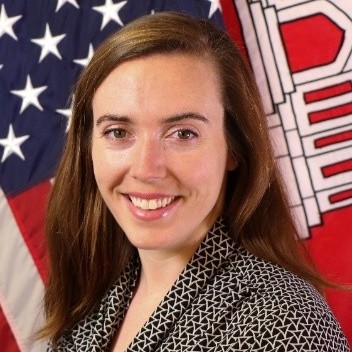
KATHERINE CHAMBERS, Acting Associate Technical Director for Crisis Preparedness Research & Development, Engineer Research & Development Center, USACE; Chair, Resilience Integrated Action Team, U.S. Committee on the Marine Transportation System
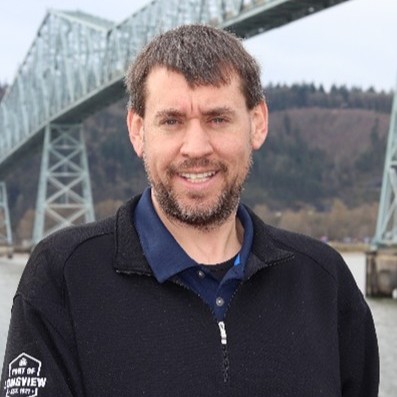
LARRY LANDGRAVER, Equipment and Fleet Manager/Facility Security Officer at the Port of Longview; Chair, Lower Columbia Region Harbor Safety Committee
MATT LAGARDE Vice President of Safety, Training, and Compliance, Ingram Barge Company; Immediate Past President, Greater New Orleans Port Safety Council Harbor Safety Committee
1500 – 1530: Break
1530 – 1630: There’s No Wrong Way To Do It
This session will focus on the many different approaches local Harbor Safety Committees take to issues, to highlight the point there is no wrong way to establish, manage, and run these groups. Variation in approaches from port to port is expected as each Harbor Safety Committee conforms to the needs, challenges, and characteristics of its region or location. This panel will highlight varying viewpoints to illustrate there is no wrong way to do it, when it comes to working an issue within your Harbor Safety Committee. If your approach meets the needs of your local community, you are doing it right.
Panel Moderator JAMES PRAZAK Performance Director, Tricon Energy, Ltd.; Member (Past Chair), Lone Star Harbor Safety Committee; and Chair, Harbor Safety Committee National Steering Team
CAPT. NORMAN “BUDDY” CUSTARD (USCG, ret.) President and Chief Executive Officer, Alaska Chadux Network; President, Aleutian Islands Waterways Safety Committee
CAPT. MIKE MCELROY Director of Marine Operations & Regulatory Affairs, Wendella Boats; President, Chicago Harbor Safety Committee; Co-Chair, Area Maritime Security Committee; Vice Chair, Harbor Safety Committee National Steering Team
BRANDI ROGERS Supervisor, Scheduling Operations, Enbridge Ingleside Energy Center; Chair, South Texas Waterways Advisory Committee
CAPT. GLENN WILTSHIRE (USCG, ret.) Deputy Port Director, Broward County Port Everglades Department; Co-Chair, Port Everglades Harbor Safety Committee
1635 – 1700: Closing Remarks
CAPT. MIKE MCELROY, incoming Chair, Harbor Safety Committee National Steering Team